Foreign Trade Zone 147
Benefits & Use Cases
Learn more about the benefits of working with a foreign trade zone for your business.
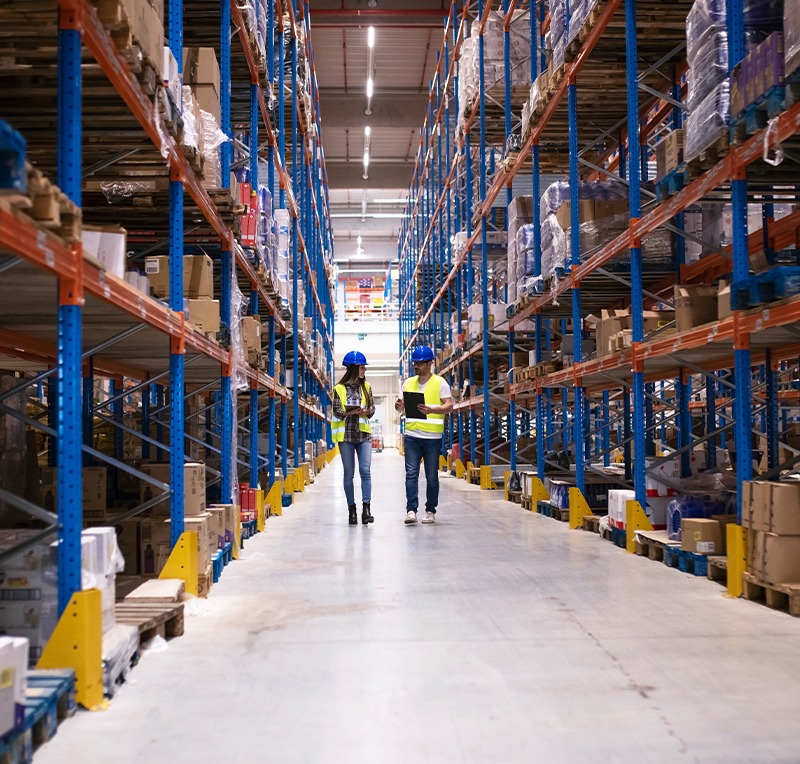
Working with a Trade Zone
Key Benefits
Foreign-Trade Zones help U.S.-based companies remain cost-competitive in global markets by reducing certain costs associated with importing, manufacturing, and distributing goods from a domestic location.
- Deferral of U.S. Customs duties until merchandise enters U.S. commerce
- Elimination of duties on foreign merchandise that is re-exported
- Potential reduction of duties through an authorized inverted-tariff structure
- Improved cash flow and reduced duty-related inventory carrying costs
- Potential customs-processing and logistics efficiencies
- Greater flexibility managing imported inventory
Actual benefits vary based on a company’s imported merchandise, tariff classifications, transaction volume, production activity, and domestic and export distribution patterns. A cost-benefit evaluation is recommended before pursuing FTZ designation and activation.
SERVING SOUTH CENTRAL PA
What Can Be Done in a Foreign-Trade Zone
While retail sales are prohibited within a Foreign-Trade Zone, merchandise may be:
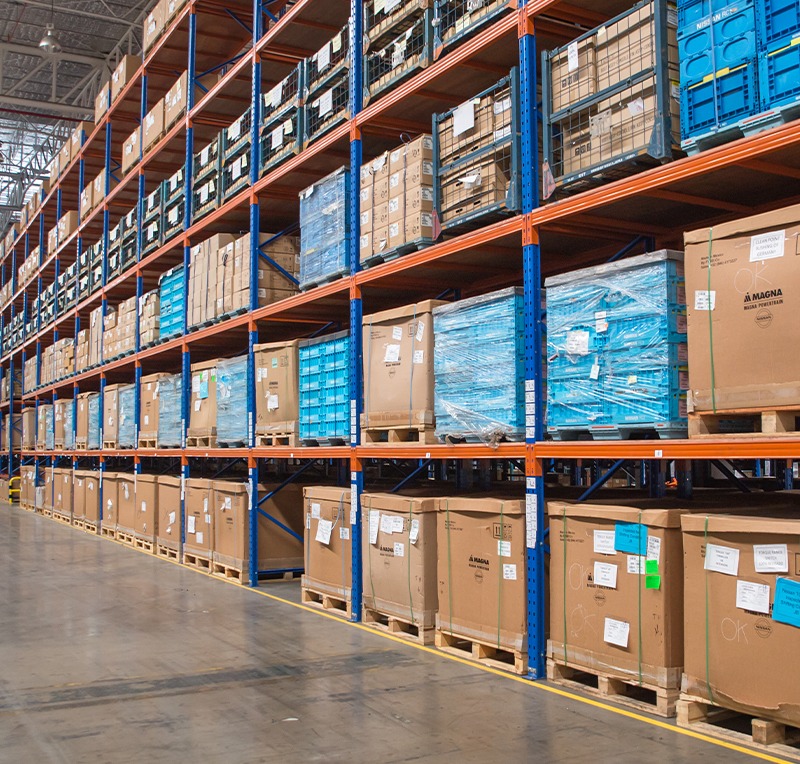
- Stored and distributed
- Repackaged, relabeled, exhibited, or displayed
- Tested, graded, sorted, sampled, cleaned, mixed, or otherwise manipulated
- Repaired, salvaged, scrapped, or destroyed
- Assembled, processed, or manufactured, subject to FTZ Board authorization where required
Note: Production activity must be specifically authorized by the U.S. Foreign-Trade Zones Board.After reading through this section again, How Companies Use FTZs is repetitive of the content above - can this section be removed entirely?
Foreign Trade Zone 147
FTZ Benefits Explained
The fundamental benefit offered by the FTZ program to U.S.-based companies is the ability to defer, reduce or even eliminate Customs duties on products admitted to the zone. For the U.S.-based companies involved in international trade, the FTZ program provides a means of improving their competitive position in relation to their counterparts abroad.
Deferral of Duties
Customs duties are paid only if and when merchandise enters U.S. Customs territory. This creates a cash-flow advantage by allowing companies to retain capital while goods remain in the zone.
Reduction of Duties (Inverted Tariff)
FTZ users may elect the lower duty rate between imported inputs and the finished product, reducing overall Customs duty liability when authorized by the FTZ Board.
Elimination of Duties
No duties are paid on merchandise exported from the FTZ. Duties are also typically eliminated on goods that are destroyed, scrapped, or consumed within the zone.
How We Can Help
Foreign Trade Zone Use Cases
Manufacturer
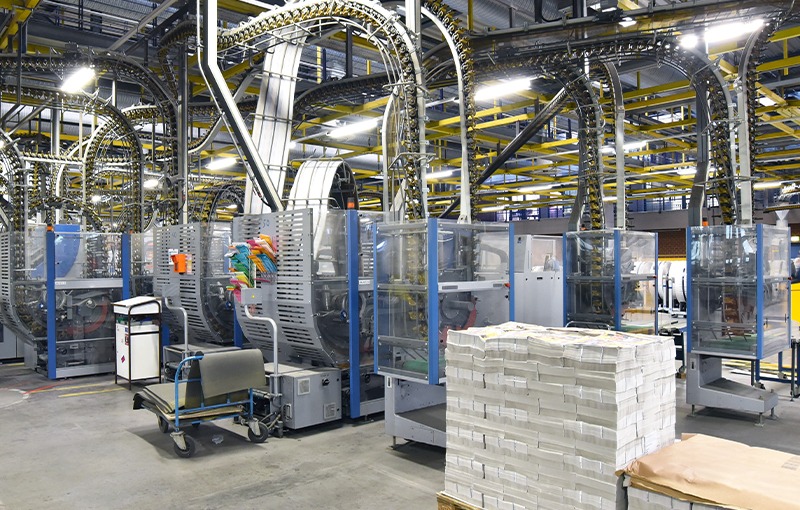
A U.S. manufacturer imports parts from various countries to assemble finished equipment. By using FTZ 147, they can defer duties on all imported components until the final product is sold in the U.S. If the finished product has a lower duty rate than the individual parts, they can use that rate to lower total duty expenses. Moreover, products exported to other countries leave the zone without any duties.
Distributer
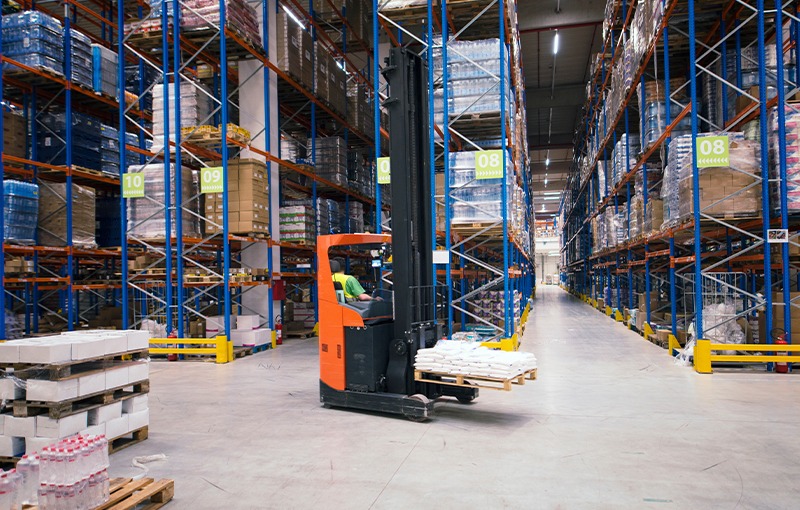
A regional distribution company brings in large quantities of consumer goods and stores them in FTZ 147 before sending them out to retailers nationwide and internationally. They only pay duties on items entering the domestic market while shipments going abroad remain duty-free. The distributor also enjoys better inventory management, lower upfront expenses, and the ability to repackage and relabel items in the zone for various markets
Get Started Today
Request a No-Cost Evaluation
Find out if you're able to take advantages of the benefits of Foreign-Trade Zone 147. Fill out our form to receive a complimentary evaluation at no-cost to you.